
Summary: Stress signals in dogs can be easy to miss. By recognizing the subtle warning signs early, you can prevent bigger behavior problems like barking, lunging, anxiety, and aggression. Personalized in-home dog training can help you better understand how your dog displays stress and build a lifelong relationship based on trust.
Excessive Lip Licking and Nose Licking
Repeated lip licking when food isn’t involved can indicate nervousness or discomfort. You might notice this behavior when unfamiliar guests enter your home, during veterinary visits, or when another dog approaches too closely.
Pay attention to what’s happening around your dog when they do this. If your dog repeatedly licks their nose in a certain social situation, consider whether they’re comfortable with the interaction. Giving your dog space from the stressor can prevent tension from escalating into more serious behavior.
Related: How Dog Behavior Can Change with New People in Your Family
Sudden Freezing or a Stiff Body
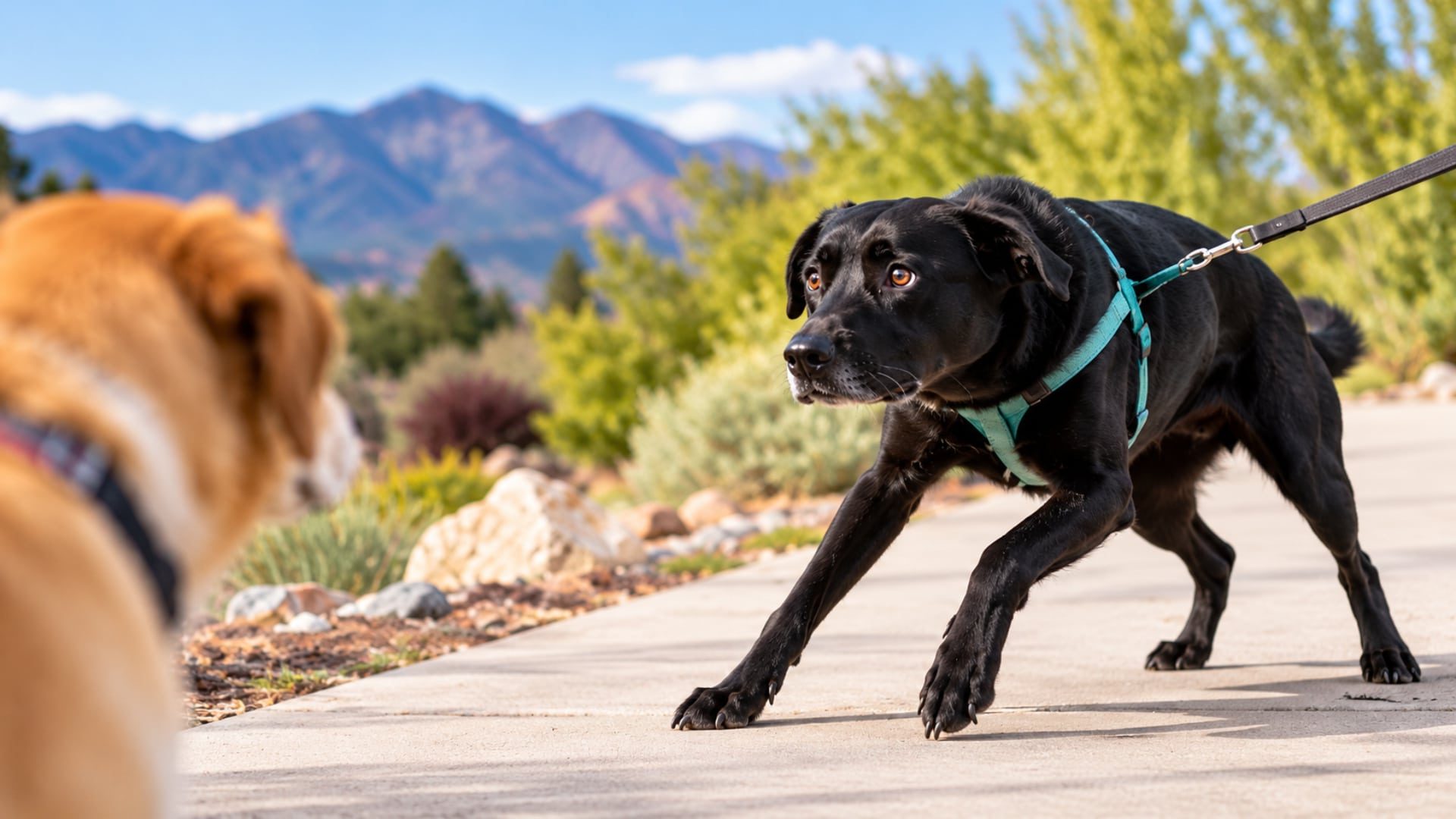
You might notice your dog freezing when someone reaches for their collar, approaches their food bowl, or enters their personal space. Unlike a relaxed dog resting comfortably, a stressed dog may display tight muscles, a rigid posture, or an unusually fixed stare.
If your dog freezes around children, visitors, or other pets, avoid forcing the interaction or punishing the warning behavior. Calmly create distance when it is safe to do so and prevent similar situations until you can have your dog assessed by a trainer.
Yawning or Avoiding Eye Contact
While yawning can mean your dog is sleepy, it can also signal stress or uncertainty. Your dog might yawn during an uncomfortable interaction even after getting plenty of rest. It’s a signal that the current situation is becoming overwhelming.
Avoiding eye contact can also be an attempt to reduce tension or avoid an uncomfortable interaction. Dogs sometimes use this behavior when another animal approaches too directly or when someone leans over them. If your dog does this, they are requesting a little breathing room.

Excessive Panting Without Physical Activity
Panting heavily while resting can signal anxiety or distress. You might notice it during thunderstorms, car rides, unfamiliar gatherings, or periods of separation. Look for additional behaviors such as pacing, trembling, restlessness, or difficulty settling down.
Because excessive panting can also indicate pain, overheating, or a medical problem, never assume anxiety is the only explanation. If panting is sudden, severe, unusual, or accompanied by weakness or breathing difficulty, contact your veterinarian promptly. Once medical concerns are addressed, personalized behavior training can help you identify environmental triggers.
Shaking Off When Your Dog Isn’t Wet
Have you noticed your dog shakes after an uncomfortable encounter with another dog or person? Dogs sometimes shake off following stressful or exciting interactions as they transition out of a tense moment.
For example, your dog might shake after passing a barking dog on a neighborhood sidewalk. Instead of immediately continuing into another difficult interaction, allow your dog time to settle. A short pause, additional distance, and positive reinforcement for calm behavior may help.
Read Also: How Owner Routines Affect Dog Behavior At Home
Pacing, Hiding, or Following You Everywhere
Some stress signals in dogs appear as changes in everyday household behavior rather than obvious reactions. Your dog might pace between rooms, hide beneath furniture, or suddenly refuse to leave your side. Newly adopted dogs may show these behaviors as they adjust to unfamiliar surroundings, routines, and family members. Even a loving, comfortable home takes time to feel predictable for a dog going through major changes.
If your rescue dog follows you constantly and becomes distressed whenever you leave, separation-related anxiety may be contributing to the behavior. You can begin by establishing predictable routines, offering a comfortable resting space, and practicing manageable periods of independence. Avoid assuming your dog will outgrow significant anxiety without support. If you need help, Laurie can address these concerns through individualized dog behavior training.
How Stress Can Turn Into Bigger Behavior Problems
When you overlook early signs of stress, your dog may eventually communicate through barking, lunging, growling, snapping, destructive chewing, and difficulty responding to commands. Common situations that trigger stress signals in dogs include:
- Unfamiliar people entering your home or approaching too quickly.
- Other dogs getting too close during neighborhood walks.
- Loud noises, thunderstorms, fireworks, or household commotion.
- Unwanted handling, hugging, or attention from visitors.
- Sudden changes in household routines or unfamiliar environments.
- Being left alone before developing confidence with separation.
- Feeling trapped or unable to leave an uncomfortable situation.
If your dog has already started growling, snapping, or lunging, take those reactions seriously. Avoid punishing growling because suppressing a warning doesn’t necessarily remove the underlying discomfort. Instead, create safe distance, prevent potentially dangerous encounters, and seek qualified behavioral support.
How You Can Make Your Dog Feel Less Stressed
Recognizing stress signals in dogs is only the first step toward a calmer household. Next, start with these practical changes:
- Notice patterns: Record when and where your dog becomes uncomfortable.
- Create space: Move away from stressful situations before your dog becomes overwhelmed.
- Reward calm behavior: Reinforce relaxed responses and manageable choices.
- Maintain consistency: Set predictable routines for feeding, walking, resting, and training.
- Respect boundaries: Avoid forcing greetings or interactions your dog finds uncomfortable.
- Get personalized help: Address repeated anxiety, leash reactivity, or aggression before problems escalate.
Remember that every dog has a different comfort level, temperament, and learning history. What matters is developing skills and confidence that fit your dog’s needs.
Personalized In-Home Dog Training Makes a Difference
Traditional group training classes can teach useful obedience skills, but they don’t always reveal the behaviors that cause frustration at home. That’s why addressing the behavior at home can make such a meaningful difference.
At Dog Training Laurie’s Way, you get private, personalized training designed around your dog’s temperament, behavior, and your family’s needs. Laurie Yakish works with you in familiar, real-world settings around your home and neighborhood. Laurie helps families address puppy behavior, obedience, leash pulling, anxiety, socialization difficulties, and aggressive reactions.
Instead of focusing only on getting your dog to follow commands, your training addresses the circumstances influencing unwanted behavior. You’ll learn practical ways to communicate clearly, reinforce appropriate behavior, and build mutual trust.
You May Also Like: The Life-Changing Benefits of At-Home Dog Training: Why Your Dog Learns Best in Their Natural Environment
Build a Better Relationship With Your Dog Today
Your dog doesn’t need to speak your language to tell you when something feels wrong. By recognizing subtle stress signals in dogs, you can respond sooner, reduce unnecessary conflict, and help your companion build greater confidence. You deserve to enjoy life together without constantly worrying.
Ready to understand your dog’s behavior and create a calmer, happier home? Reach out to Dog Training Laurie’s Way today to schedule your free phone consultation and discuss the challenges you’re experiencing.
Frequently Asked Questions About Stress Signals in Dogs
What are the most common stress signals in dogs that owners overlook?
Common stress signals in dogs include excessive lip licking, yawning, panting when they’re not hot, avoiding eye contact, sudden freezing, and pacing; this indicates that your dog feels anxious, uncomfortable, or overwhelmed by their surroundings. Recognizing these behaviors can help you prevent more serious behavioral problems, including excessive barking, lunging, and aggression.
How can I tell if my dog is stressed or just misbehaving?
Your dog may appear stubborn or disobedient when they’re actually responding to fear, anxiety, or an uncomfortable situation. If your dog suddenly ignores commands, pulls excessively on the leash, growls, or hides, watch their body language and note what triggers the behavior. Understanding the difference between stress and unwanted behavior helps you respond appropriately and build a stronger, more trusting relationship with your dog.
Can in-home dog training help reduce stress and anxiety in dogs?
Yes, personalized in-home dog training can help reduce stress-related behaviors by addressing the situations that make your dog uncomfortable in their everyday environment. At Dog Training Laurie’s Way, we provide customized dog training in Colorado Springs to help you understand your dog’s unique temperament, improve behavior, and build lasting confidence. Reach out to us today for a free phone consultation with Laurie Yakish.