
The Reality Check You Need to Hear
Your dog came back from board-and-train looking like a canine superstar. The trainer demonstrated perfect heel work, flawless recall, and calm behavior, making you think you’d finally solved your problems. Fast forward two weeks, and your dog is pulling on the leash again, ignoring your commands, and reverting to the same frustrating behaviors that sent you searching for help in the first place. You’re wondering if you wasted your money, if your dog is just stubborn, or if you’ve somehow failed as a dog owner.
Related: Why Obedience Training Doesn’t Fix Behavior Issues
Your Dog Learned to Behave for Someone Else, Not You
Here’s the uncomfortable truth about board and train programs: your dog spent weeks learning to respond to a professional trainer who means business and expects certain behaviors. But you? You’re the person who gives belly rubs, sneaks treats under the table, and has always let them pull just a little on walks. Your dog doesn’t automatically transfer their training from one handler to another, especially when you haven’t been part of the learning process.
Think about it this way. If someone sent your teenager to a strict boarding school for a month, would they come home and maintain that same discipline with you? Probably not, because the relationship dynamics are completely different. Dogs learn contextually, which means they associate behaviors with specific people, places, and situations. When behavior problems return after your dog comes home, it’s often because they never learned to respond to you in your home with your family’s dynamics.
The Environment Changed Everything
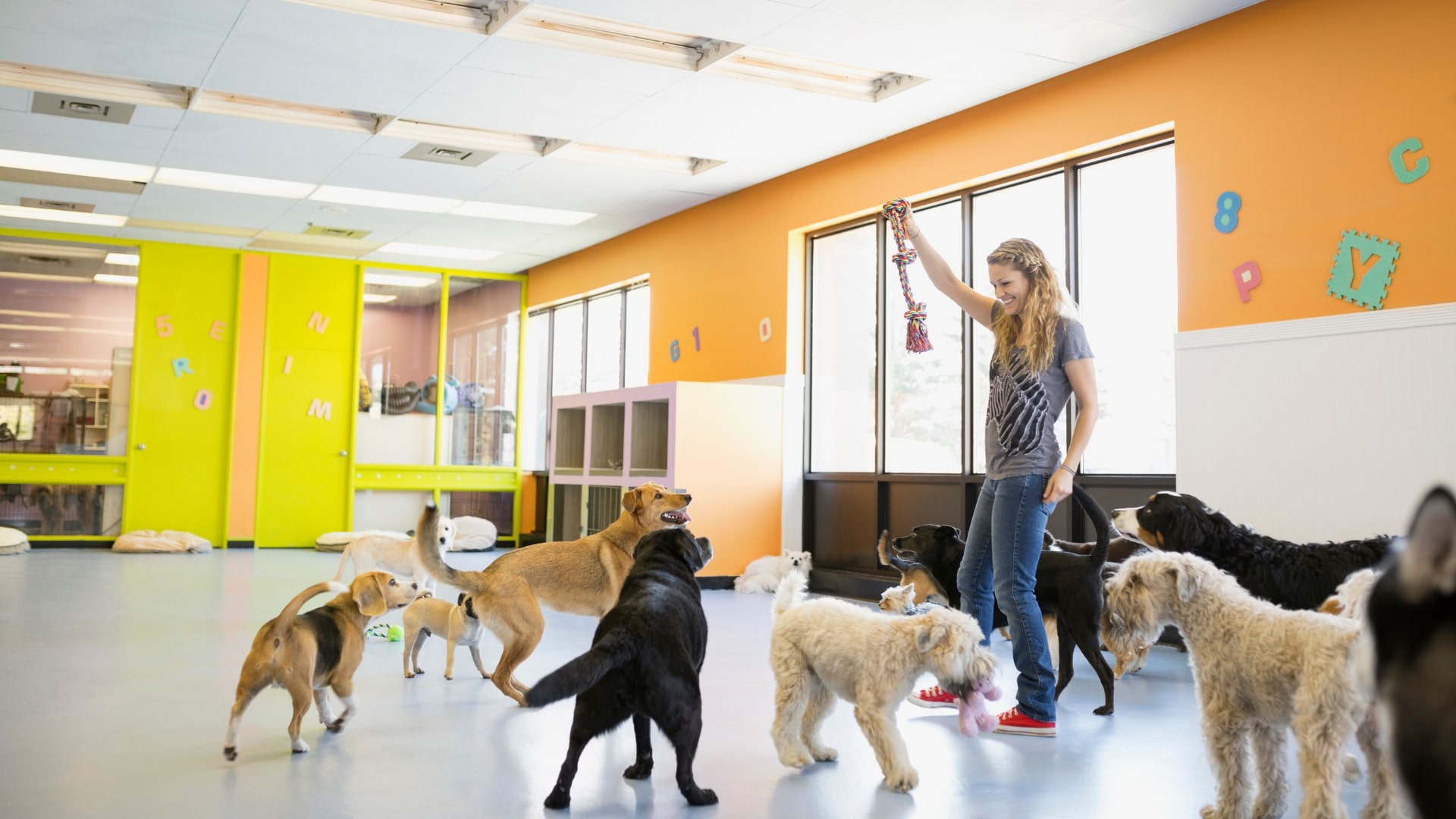
Board-and-train facilities are designed to minimize distractions and maximize control. Your home? That’s where real life happens. Your dog might have learned perfect behavior in a quiet kennel environment with a structured routine, but that doesn’t prepare them for the chaos of daily life. When you take them to Palmer Park or walk through your neighborhood, they encounter triggers and distractions they never faced during training. The behavior problems return because your dog never learned to apply their training in the real-world contexts where you actually need it.
Read Also: Best Dog Parks in Colorado Springs to Practice Your Pup’s New Training Skills
You Weren’t Trained, Only Your Dog Was
Board-and-train programs train your dog, not you. When your dog comes home, you receive a quick handoff session where someone shows you a few techniques, and then you’re on your own. You haven’t developed the muscle memory, the timing, the consistency, or the understanding of dog behavior that makes training effective. You’re expected to maintain behaviors you didn’t help create, using skills you haven’t practiced.
A big part of training a dog is learning to communicate clearly, set boundaries consistently, and reinforce behaviors effectively. When you’re not part of the daily training process, you miss out on developing these skills, sending you down the rabbit hole of inadvertently rewarding behaviors you don’t want, missing opportunities to reinforce good choices, and sending mixed signals that confuse your dog. Your dog isn’t being stubborn; their behavior problems return because you haven’t learned how to be their trainer yet.
The Missing Piece: Your Relationship
Dog training is about building a trusting relationship where your dog looks to you for direction and feels confident following your lead. Board-and-train programs can’t build that relationship for you. They can teach your dog skills, but they can’t create the bond that makes your dog want to listen to you.
When your dog goes away for training, you miss weeks of relationship-building opportunities. You’re not there for the breakthrough moments, the small victories, or the gradual building of trust that happens during training. Your dog bonds with their trainer instead of with you, and when they come home, you’re starting from scratch on the relationship front while trying to maintain advanced behaviors.
Your dog needs to trust that you’ll keep them safe, provide clear direction, and be consistent in your expectations. That trust develops through shared experiences, consistent communication, and time spent working through challenges together. You can’t outsource that process. When behavior problems return, it’s often because the foundation of trust and communication between you and your dog is missing.
Why In-Home Training Changes Everything
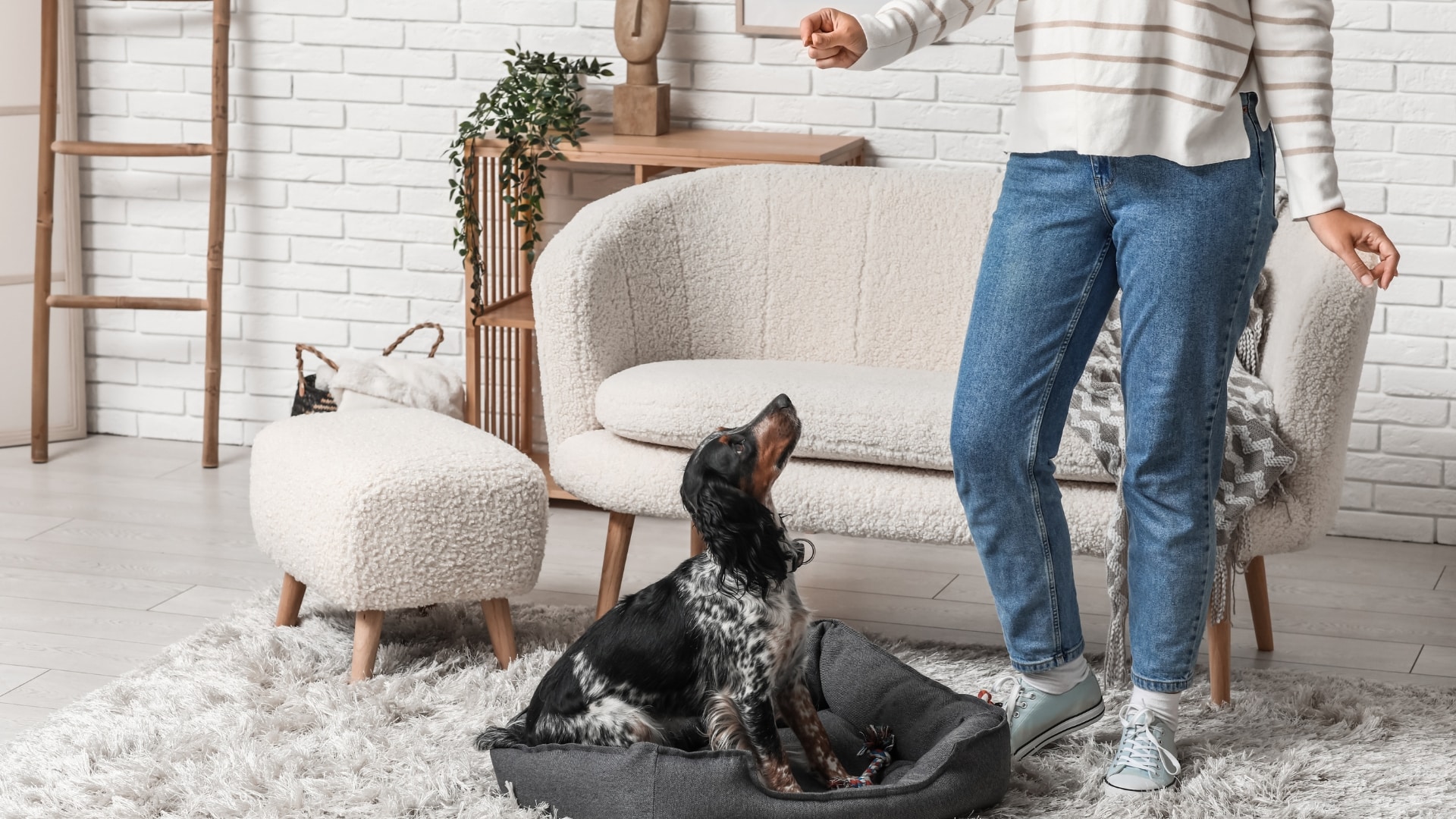
Your dog doesn’t need to perform perfectly in someone else’s facility. In-home training means we work with both you and your dog together. You’re not just present for the training; you’re an active participant. You learn to read your dog’s signals, deliver commands with proper timing, and reinforce behaviors consistently. You develop the skills you need to maintain training long after we’re gone. Most importantly, you build a stronger relationship with your dog through the training process instead of missing out on it entirely.
At Dog Training Laurie’s Way, we’ve perfected personalized training plans that address your dog’s temperament and your family. Maybe your dog is reactive to other dogs on your street, or maybe they go crazy when someone knocks on your door. We work on those exact scenarios in the places where they happen. When we train in your home, we also train your entire family. Everyone learns to communicate consistently with the dog, which prevents the confusion that causes behavior problems to return.
Building Something That Lasts
The goal isn’t just a well-behaved dog for a few weeks. The goal is a dog who responds reliably to you for their entire life. That only happens when you’re involved in the training process from the beginning, when training happens in your real environment, and when you develop the skills to maintain and build on what your dog learns.
Board-and-train programs offer convenience, but they can’t deliver the lasting results that come from training done right. When behavior problems return after board-and-train, it’s not because your dog is defective or because training doesn’t work. It’s because the training approach was fundamentally flawed from the start. Your dog needs you to be part of their training journey, and you need to develop the skills to be an effective trainer for them.
You May Also Like: Destructive Chewing Behavior In Dogs At Home: Why They Chew and How to Prevent It
Ready for Training That Actually Works?
If you’re tired of temporary fixes and ready for lasting results, it’s time to try a different approach. Dog Training Laurie’s Way specializes in training that addresses your dog’s behavior problems at home and in your daily life. Whether you’re dealing with a new puppy who needs foundation training, an adopted dog with behavioral challenges, or a family pet whose behavior problems returned after previous training attempts, we can help.
Our personalized training plans are designed specifically for your dog’s unique temperament. Don’t waste more time and money on training approaches that don’t address the real reasons behavior problems return. Reach out to Dog Training Laurie’s Way today to schedule a consultation. Let’s work together to build the lasting relationship and reliable behaviors you and your dog deserve.
Frequently Asked Questions About Why Behavior Problems Return
How long does board and train last before behavior problems return?
Most dogs begin reverting to old behaviors within 2-4 weeks of returning home from board and train programs, though some show regression within just days. The timeline varies depending on how consistently you maintain the training, but without proper owner education and in-home practice, the behaviors rarely last long-term. The key issue isn’t the duration of the board and train program; it’s that you weren’t part of the training process and can’t effectively maintain what your dog learned with someone else.
Why is my dog ignoring commands after board and train?
Your dog isn’t ignoring you; they simply learned to respond to their trainer in a specific environment, not to you in your home with all its distractions. Dogs learn contextually, meaning they associate behaviors with particular people, places, and situations, so they struggle to transfer training from one handler to another without your direct involvement. Additionally, you didn’t develop the timing, consistency, and communication skills during their training that are necessary to maintain their behaviors effectively.
Is in-home dog training better than board and train?
In-home training is more effective for lasting results because it addresses behavior problems where they actually occur, in your home and daily environment, while teaching you the skills to maintain training long-term. You’re actively involved in building a trusting relationship with your dog and learning to communicate clearly, which prevents behaviors from returning after training ends. Get in touch with Dog Training Laurie’s Way to discover how our personalized in-home training creates the lasting behavioral changes and strong owner-dog relationship that board and train programs can’t deliver.