
Summary: Dog behavior can change with new people because dogs thrive on routine and predictability. When a baby, partner, or family member arrives, your dog may feel stressed and confused by their changing world. Normal adjustment behaviors include curiosity, clinginess, or temporary avoidance, but aggressive behavior requires immediate professional intervention. At Dog Training Laurie’s Way, we provide personalized, in-home training with lasting results that help your dog build a trusting, lifelong relationship with every member of your family.
What’s Really Going On When Your Dog Acts Out
Dogs are creatures of habit, so they thrive on routine and predictability; when you add a new family member, your dog’s entire world shifts. The schedule changes, the attention they receive changes, the sounds and smells in the house change, and suddenly the rules they thought they knew no longer seem to apply. These sudden routine changes can cause your dog stress, confusion, and sometimes anxiety.
Dog behavior can change with new people. You might notice your previously house-trained dog having accidents in the house. They might start barking excessively or becoming clingy and needy. Some dogs go the opposite direction and start avoiding family members they were once bonded to. Others might display concerning behaviors like growling, resource guarding, or showing an unhealthy fixation on the new person. If your dog is displaying any of these signs, you might need professional in-home training.
Related: Why Behavior Problems Return After Board And Train Programs
What are Normal Adjustment Behaviors?
First, curiosity is natural and expected. Your dog will likely want to sniff the new person, their belongings, and any new furniture or baby equipment. They might follow you around more than usual, keeping tabs on where everyone is and what’s happening. This is your dog’s way of gathering information about their new situation. While this curiosity is healthy, you still need to manage it carefully. An overly enthusiastic dog could hurt someone.
Clinginess is another common response. Your dog may suddenly want to touch you at all times, sit closer than usual, or seek constant reassurance. They may feel displaced or uncertain about their place in the family hierarchy.
Some dogs react in the opposite way and start avoiding the new person or even family members they were previously close to. If your dog leaves the room when the baby cries or chooses to sleep in a different area than usual, that’s okay. They’re just processing the change and need some space.
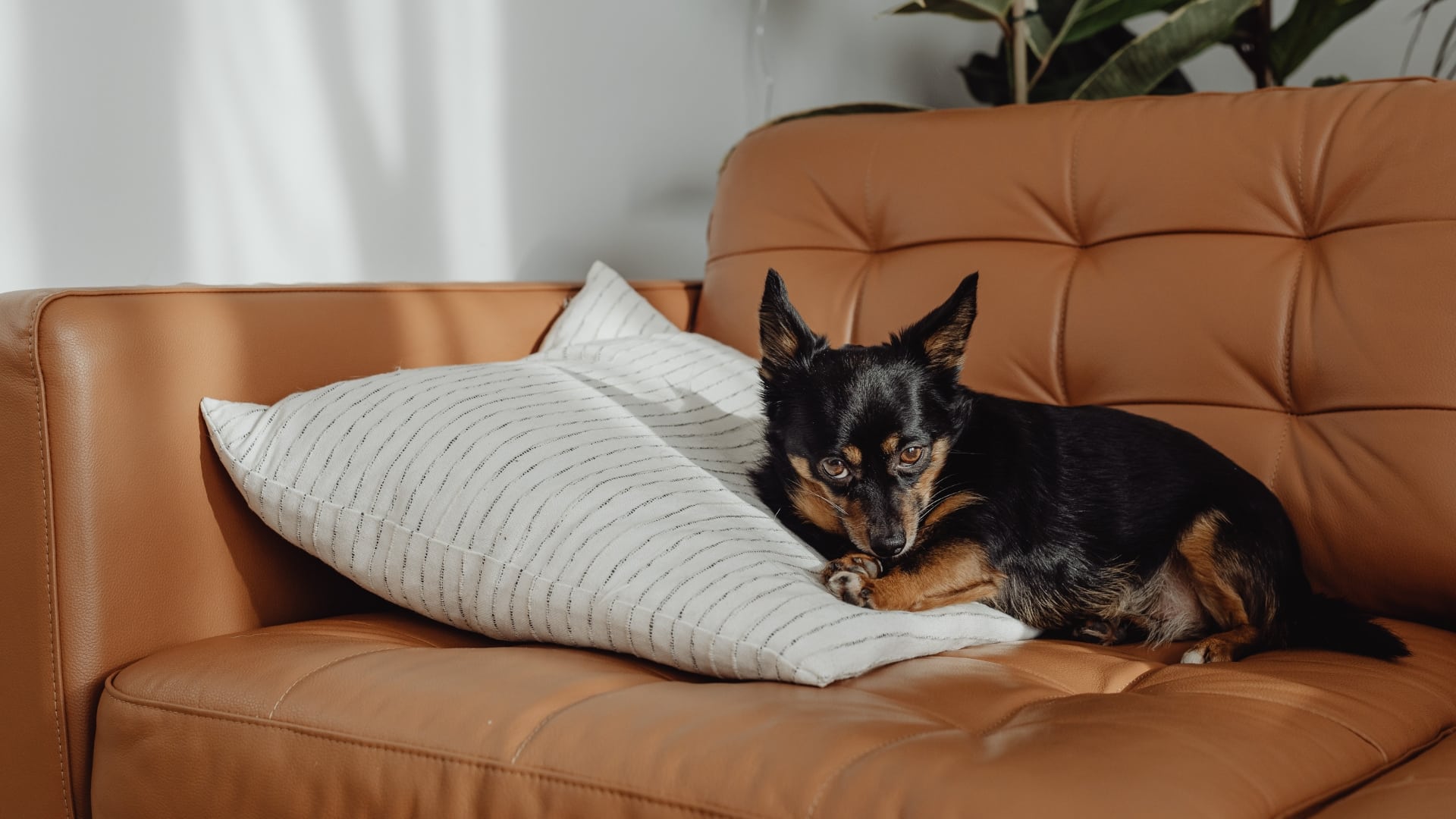
Dog Behavior Can Change with New People: Red Flags to Watch
Any growling, snapping, or showing of teeth near a new family member is something you shouldn’t ignore or hope will resolve on its own. Your dog is communicating discomfort or fear, and punishing these warning signals can actually make the situation more dangerous. Instead, you need to separate your dog from the situation and contact a professional who specializes in behavior modification right away.
Resource guarding is another red flag behavior. If your dog stiffens, freezes, or positions their body over their food bowl, toys, or resting spot when the new person approaches, this is a problem that needs intervention. A lot of dogs don’t show resource guarding until babies become mobile and start crawling toward the dog’s belongings, but it’s something you should watch for from day one.
Hyper-fixation on the new person, staring without breaking eye contact, obsessive sniffing or licking, or an inability to calm down can indicate overstimulation, anxiety, or in rare cases, predatory interest. These behaviors are abnormal, and if you see them in your dog, you need to involve a professional.
Read Also: Why Dog Behavior Changes After Moving To A New Home
Why In-Home Training Makes All the Difference
Your dog might be a perfect angel in a training class surrounded by other dogs and distractions, but that doesn’t help you when they’re barking at the baby’s cries in your living room at 2 AM. Dog behavior can change with new people in the context of your home, your routines, and your family dynamics, so that’s where the training needs to happen.
At Dog Training Laurie’s Way, we come to you. We work with your dog in the exact spaces where the challenges are occurring, whether that’s in your home, on walks, or at Grandma’s house. When we’re there with you, we see the real triggers and environmental factors influencing your dog’s behavior. Then, we can assess how your dog reacts to those triggers. Real-world training creates lasting results because we’re not asking your dog to generalize from a sterile classroom environment to the real world.
Why You Want a Local Dog Trainer
Living in Colorado Springs means your dog is probably used to an active lifestyle. Dog behavior can change with new people because those activities get disrupted or modified. Losing their exercise routine adds another layer of stress.
At Dog Training Lauries Way, we understand the local lifestyle and can help you figure out how to maintain some of your dog’s favorite activities while adapting to your new family situation. Maybe that means teaching your dog to walk calmly next to a stroller on the trails around Palmer Park, or helping them learn to settle while you’re at a dog-friendly restaurant with your baby. Whatever the case is, we’re here to help you navigate it.
You May Also Like: Best Dog Parks in Colorado Springs to Practice Your Pup’s New Training Skills
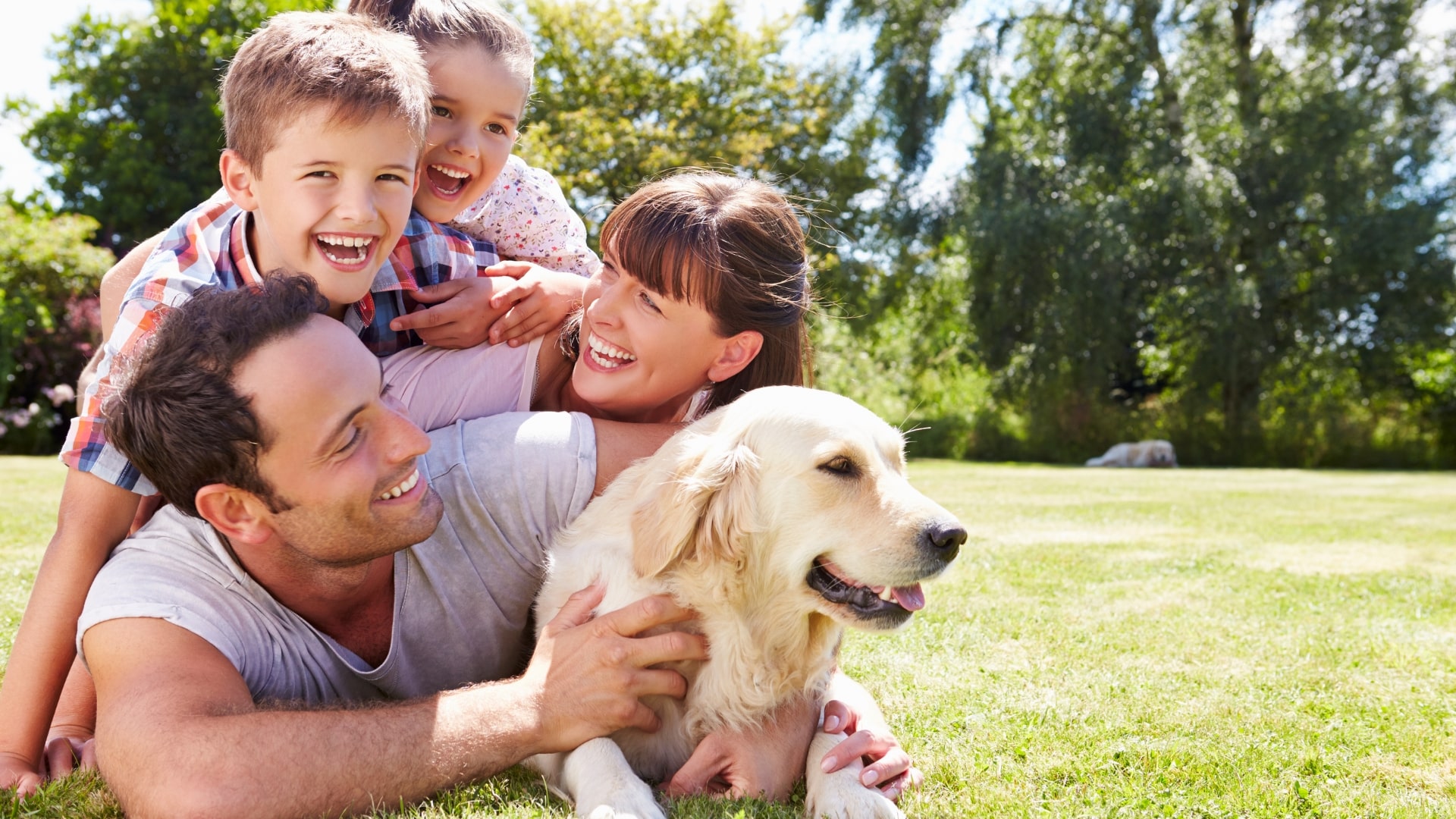
What Makes Dog Training Laurie’s Way Different
Unlike trainers who rely on one-size-fits-all methods or quick fixes, Laurie Yakish focuses on building understanding and trust. We teach you how to read your dog’s body language and recognize stress or discomfort before it escalates into serious problems. We show you how to set your dog up for success by managing the environment, establishing routines, and creating positive associations with the new family member. Most importantly, we’re available for questions and support as situations evolve.
Dog Behavior Can Change for the Better. Restore Peace to Your Home with Laurie Yakish!
Dog behavior can change with new people, but you don’t have to navigate this transition alone, and you don’t have to choose between your beloved dog and your new family member. With personalized, in-home training, you can help your dog adjust, establish safe interactions, and build a strong relationship with the newest member of your family.
Don’t wait for small behavioral issues to escalate into aggression. Reach out to Dog Training Laurie’s Way today to schedule your in-home consultation. Let’s work together to make your dog feel included in your growing family.
Frequently Asked Questions About How Dog Behavior Can Change with New People
How long does it take for a dog to adjust to a new baby in the house?
Most dogs need anywhere from a few weeks to several months to fully adjust to a new baby, depending on their temperament, past experiences, and how well you manage the transition. You can speed up this process significantly by working with a trainer who specializes in personalized, in-home behavior modification. The key is addressing any concerning behaviors early rather than waiting for them to become ingrained.
Is it normal for my dog to be jealous of my new partner or spouse?
What looks like jealousy is usually your dog feeling uncertain about their place in the household. Dogs aren’t jealous in the human sense, but they notice when their schedule shifts, when someone new occupies “their” space on the couch, or when their daily walks happen at different times. If your dog is showing problematic behaviors like growling, excessive attention-seeking, or avoidance around your new partner, reach out to Dog Training Laurie’s Way for a personalized in-home assessment.
Can I train my dog myself to accept a new family member, or do I need professional help?
While some dogs adjust naturally with basic management and patience, many benefit significantly from professional training, especially if you’re seeing red flag behaviors like growling, resource guarding, or hyper-fixation. In-home professional training is particularly valuable because the trainer can observe your dog’s behavior in the actual environment where problems occur and create a customized plan.