
Understanding Why Dogs Engage in Destructive Chewing Behavior
Your dog isn’t chewing your belongings to get back at you for leaving them alone or to test your patience. Chewing is a natural behavior for dogs, but when it becomes destructive, it’s usually a sign that something else is going on. Puppies chew because they’re teething, and it helps relieve the discomfort in their gums. But adult dogs chew for entirely different reasons, and that’s where many dog owners get stuck.
Related: Why Puppies Struggle With Impulse Control Inside The Home
The Real Reasons Behind Destructive Chewing Behavior in Dogs
Let’s dig deeper into what’s really happening when your dog decides that your couch looks like the perfect chew toy:
Separation Anxiety
Separation anxiety is one of the most common culprits behind destructive chewing behavior in dogs. When you leave your dog alone, they may experience distress, and chewing can become a way to self-soothe. You might notice that the destruction happens primarily near doors or windows, or that your dog targets items that smell like you. Your dog isn’t trying to be bad; they’re struggling with emotional distress that needs to be addressed with compassion and the right training.
Boredom
Lack of physical exercise and mental stimulation can turn even the most well-behaved dog into a furniture destroyer. Dogs need physical and mental stimulation. If your dog isn’t getting enough of either, they’ll find their own entertainment, and unfortunately, that often means your belongings become toys. Knowing how to properly exercise and engage your dog makes all the difference.
Teething
Teething in puppies causes real discomfort, and chewing provides relief. Puppies don’t understand the difference between their chew toys and your expensive shoes; they just know that chewing feels good. Without proper redirection and training, puppies can develop destructive chewing habits that continue into adulthood.
Attention-Seeking
Attention-seeking behavior develops when dogs learn that chewing gets a reaction from you. Even if you’re scolding them, you’re still giving them attention, and some dogs find that preferable to being ignored. Attention-seeking behaviors can become a frustrating cycle in which chewing is reinforced rather than eliminated.
Medical Ailments
Nutritional deficiencies or medical issues can sometimes drive chewing behavior. If your dog is suddenly chewing things they never touched before, or if the behavior seems compulsive, it’s worth ruling out any underlying health concerns with your veterinarian.
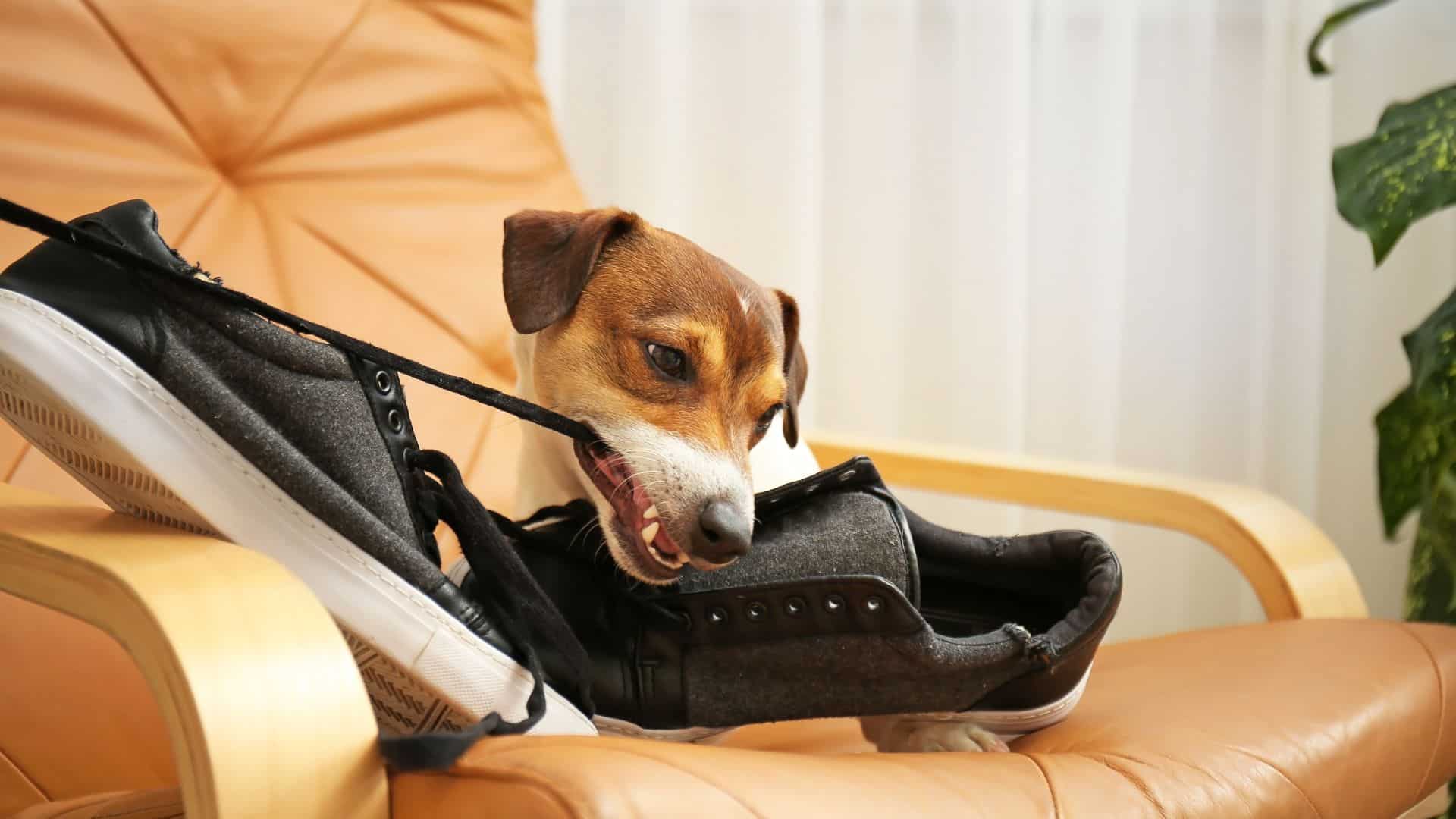
How Destructive Chewing Affects Your Home and Your Relationship
The damage to your furniture and belongings is obvious, but destructive chewing behavior in dogs affects more than just your wallet. It creates stress in your household and strains the bond between you and your dog. You might find yourself constantly anxious about what you’ll discover when you get home. You might start resenting your dog, even though you know they don’t understand why you’re upset. You might even be considering whether you can continue living with this behavior.
Your dog can also put themselves in serious danger through destructive chewing. Swallowing pieces of fabric, wood, or plastic can cause intestinal blockages that require emergency surgery. Chewing on electrical cords can result in severe burns or electrocution. Ingesting toxic materials or plants can lead to poisoning. The anxiety you feel about your dog’s safety is valid, addressing this behavior is a matter of keeping your beloved family member safe.
Read Also: How Owner Routines Affect Dog Behavior At Home
Preventing and Stopping Destructive Chewing Behavior in Dogs: Solutions That Actually Work
Preventing destructive chewing behavior in dogs means addressing the underlying causes of their behavior.
Provide Appropriate Chew Toys
Provide appropriate outlets for chewing. Your dog needs to chew; the key is teaching them what’s acceptable to chew and what’s off-limits. Provide a variety of appropriate chew toys with different textures and rotate them regularly to keep things interesting.
Make Sure Your Dog is Stimulated
Increase physical exercise and mental stimulation. A tired dog is typically a well-behaved dog. Your dog needs daily physical exercise appropriate for their age, breed, and energy level. But physical exercise alone isn’t enough; mental stimulation is equally important. Training sessions, puzzle toys, and interactive games challenge your dog’s mind and help prevent boredom-driven destructive behavior.
Manage the Environment
While you’re working on training, it’s important to manage your dog’s environment. You can use baby gates, put valuable items out of reach, or use a crate when you can’t supervise. Environmental management isn’t a long-term solution by itself, but it prevents your dog from practicing the unwanted behavior while you’re implementing training.
Address Separation Anxiety
Address anxiety and emotional needs. If separation anxiety is driving the destructive chewing, you need to help your dog feel more secure when alone. Separation anxiety requires gradual desensitization, positive associations with your departures, and sometimes adjustments to your daily routines. Cookie-cutter advice from generic training programs won’t cut it here, you need someone who understands canine anxiety and can develop a personalized plan for your situation.
Use Positive Reinforcement
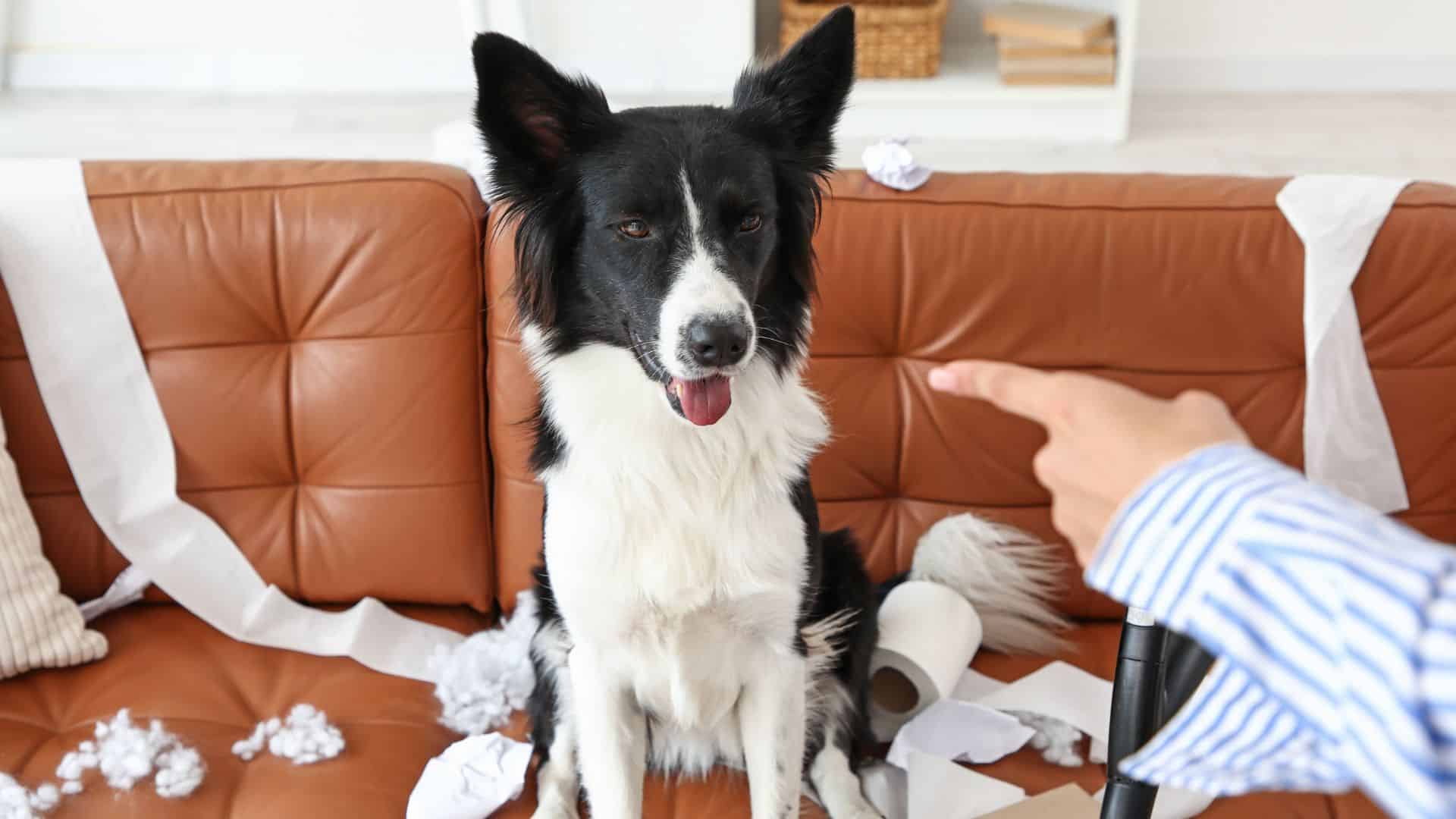
Use positive reinforcement training. Punishment doesn’t work for destructive chewing and often makes anxiety-related problems worse. Instead, you need to teach your dog what you want them to do and reward those good choices. When your dog chooses their chew toy over your shoe, that’s the moment to celebrate and reinforce the behavior, helping you build a trusting relationship with your dog.
You May Also Like: Building a Strong Relationship with Your Dog: Tips from a Colorado Springs Dog Trainer
What Sets Dog Training Laurie’s Way Apart
You have options when it comes to dog training in Colorado Springs, so why choose us? We come to you. No loading your anxious dog into the car for weekly classes. No trying to replicate classroom training in your home environment. We work with you and your dog where the problems actually happen, which means faster results and lasting change.
Your dog isn’t like every other dog, and your situation isn’t like every other family’s situation. We take the time to understand your dog’s temperament, identify the root causes of their behavior, and create a customized plan that addresses your specific needs. When your dog feels secure, understood, and properly stimulated, behavioral problems naturally decrease.
We’re local and accessible. We’re not a national franchise with rotating trainers. When you work with Dog Training Laurie’s Way, you get consistent, personalized attention from someone who genuinely cares about your success. We’re available for questions and support as you implement the training, because we know that’s when you need us most.
Stop Destructive Chewing Behavior in Dogs with Personalized, In-Home Training from Laurie Yakish
You don’t have to live with destructive chewing behavior in dogs any longer. You don’t have to feel anxious every time you leave your house, wondering what destruction awaits you. You don’t have to keep replacing furniture and belongings. And most importantly, you don’t have to let this behavior damage the relationship with your beloved family member.
Don’t wait for the problem to get worse or for your dog to injure themselves by chewing something dangerous. Reach out to Dog Training Laurie’s Way and start building the trusting, peaceful relationship you deserve with your dog.
Frequently Asked Questions About Destructive Chewing Behavior in Dogs
At what age do dogs stop destructive chewing?
Most puppies naturally reduce chewing behavior around 6-8 months when their adult teeth come in, but destructive chewing in adult dogs won’t stop on its own without proper training. Adult dogs chew due to anxiety, boredom, or learned habits that require targeted behavioral solutions. The good news is that with the right personalized training approach, you can eliminate destructive chewing at any age.
How do I stop my dog from chewing everything when I'm not home?
Start by providing appropriate chew toys, ensuring your dog gets adequate physical exercise and mental stimulation before you leave, and managing the environment by limiting access to tempting items. Address separation anxiety through gradual desensitization and positive reinforcement training that helps your dog feel secure when alone. Contact Dog Training Laurie’s Way for personalized, in-home training that addresses your dog’s specific triggers and creates lasting solutions in your Colorado Springs home.
What are the best chew toys to prevent destructive chewing?
The best chew toys vary based on your dog’s size, chewing strength, and preferences, but durable rubber toys, nylon bones, and interactive puzzle toys tend to work well for most dogs. Rotate different textures and types regularly to keep your dog interested and engaged. Remember that simply providing toys isn’t enough. You need to actively teach your dog which items are appropriate to chew through consistent training and positive reinforcement.