
Your Dog’s World Just Got Turned Upside Down
Think about the last time you moved. Remember that weird feeling of waking up in a strange bedroom, fumbling for light switches in unfamiliar places. That’s what your dog is going through, except they can’t rationalize it the way you can. Your dog doesn’t understand that you sold the old house or that your lease was up. All they know is that their entire world has vanished overnight. For a creature that relies heavily on routine and familiarity for security, this is genuinely distressing. Your dog’s behavioral changes aren’t them being difficult or stubborn. They’re just trying to cope with their stress.
Common Behavioral Changes You Might Be Seeing
Dog behavior changes after moving can seem to come out of nowhere. You might notice your housetrained dog suddenly having accidents inside, even though they haven’t had an accident in years. Sometimes this happens because your dog doesn’t recognize the new space as “home” yet, so the rules they learned in the old house don’t automatically transfer.
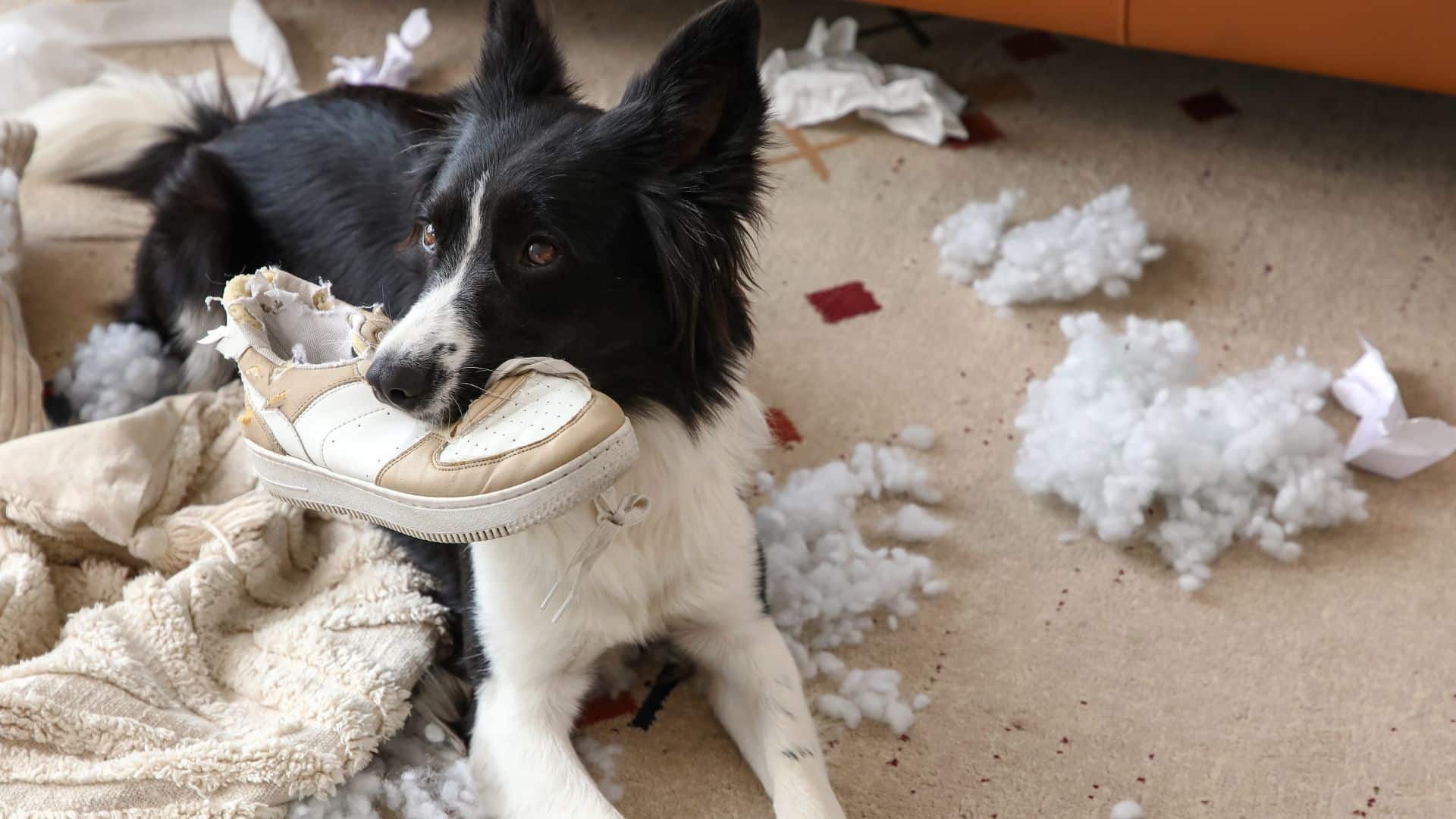
Anxiety-related behaviors also tend to spike dramatically after a move. Your dog might follow you from room to room, unable to settle down even when you’re clearly not going anywhere. Destructive chewing often increases as dogs try to self-soothe during the transition’s stress. Excessive barking or whining is another common response as your dog reacts to the many unfamiliar sounds in their environment.
Some dogs become unexpectedly aggressive or fearful after moving. They might bark aggressively at neighbors they haven’t met yet, or show fear responses to ordinary household items in new locations. A dog who was previously friendly might suddenly seem protective or territorial in ways that concern you. Others might hide, refuse to eat, or show signs of depression like lethargy and disinterest in activities they normally love.
Read Also: Small Space, Big Results: Solutions for Dog Training in Apartments in Colorado Springs
Why Dog Behavior Changes After Moving: Understanding the Root Causes
Several factors can cause dog behavior changes after moving. First and foremost is the loss of familiar territory and routine. Dogs are creatures of habit, so they need predictability. In your old home, your dog knew exactly what to expect: when walks happened, where their food bowl was located, which door you’d use to come home from work, and where they were allowed to be. Moving disrupts every single one of these established patterns, leaving your dog feeling uncertain and insecure about what’s expected of them.
The sensory overload of a new environment can also be very overwhelming. Your dog’s sense of smell is roughly 40 times more sensitive than yours, and their hearing is significantly more acute. In a new home, they’re bombarded with thousands of new scents and sounds that they need to process and categorize. Is that noise outside a threat or something normal? Does this room smell safe? Why does everything smell like strangers? Being on constant high alert is mentally and physically exhausting for your dog, which can manifest as behavioral problems.
Stress and anxiety are natural responses to major life changes, and dogs experience these emotions just as intensely as humans do. The moving process itself, with all the packing, strangers coming in and out, furniture disappearing, and the chaos of moving day, is stressful. Then they arrive at a completely unfamiliar place and are expected to just settle in. Some pups also pick up on your stress, which compounds dog behavior changes after moving. If you’re feeling overwhelmed by the move, your dog is likely absorbing and reflecting those feelings.
How In-Home Training Can Address Dog Behavior Changes after Moving
At Dog Training Laurie’s Way, we come directly to your home because that’s where your dog is actually struggling. They’re not barking anxiously at the training center; they’re doing it when you leave them alone in the unfamiliar house. In-home training allows us to address the environmental triggers causing your dog’s behavioral changes. We can work with your dog in the exact spaces where problems are occurring, whether that’s the new backyard where they won’t settle, the front door where they bark at every passerby, or the bedroom where they experience separation anxiety.
Contextualized training is far more effective than trying to teach behaviors in a neutral environment. Laurie develops a personalized training plan based on your dog’s unique temperament and the specific issues they’re experiencing in your new home. There’s no one-size-fits-all approach here. A confident dog who’s become territorial in the new space needs different strategies than an anxious dog who’s hiding under the bed. We take the time to understand your dog as an individual and create a plan that works for their personality and your situation.
You May Also Like: The Life-Changing Benefits of At-Home Dog Training: Why Your Dog Learns Best in Their Natural Environment
Practical Steps to Remedy Dog Behavior Changes after Moving
While professional training makes a significant difference, there are several things you can do immediately to help your dog feel more secure in your new home:
- Establish a consistent routine as quickly as possible to give your dog the predictability they’re craving; normalcy reduces anxiety.
- Create familiar spaces within the new home using items that smell like your old house.
- Set up your dog’s bed in a quiet area where they can retreat when feeling overwhelmed.
- Keep their toys, blankets, and food bowls in consistent locations so they know where to find comfort and resources.
- Increase exercise and mental stimulation during the adjustment period.
- If possible, designate a specific room or area as “their” space initially, then gradually give them access to more of the house as they adjust.
When dog behavior changes after moving, be careful not to inadvertently reward anxiety with attention. You need to maintain calm, confident energy yourself to show your dog that everything is okay.
Signs Your Dog Needs Professional Help
If you’re feeling overwhelmed, frustrated, or at the end of your rope with your dog’s behavior, that’s a valid reason to seek help. You don’t have to wait until things are completely out of control. In fact, addressing issues early often leads to faster, more effective results.
Some dog behavior changes after moving warrant professional attention:
- Persistent house-training regression lasting more than a few weeks
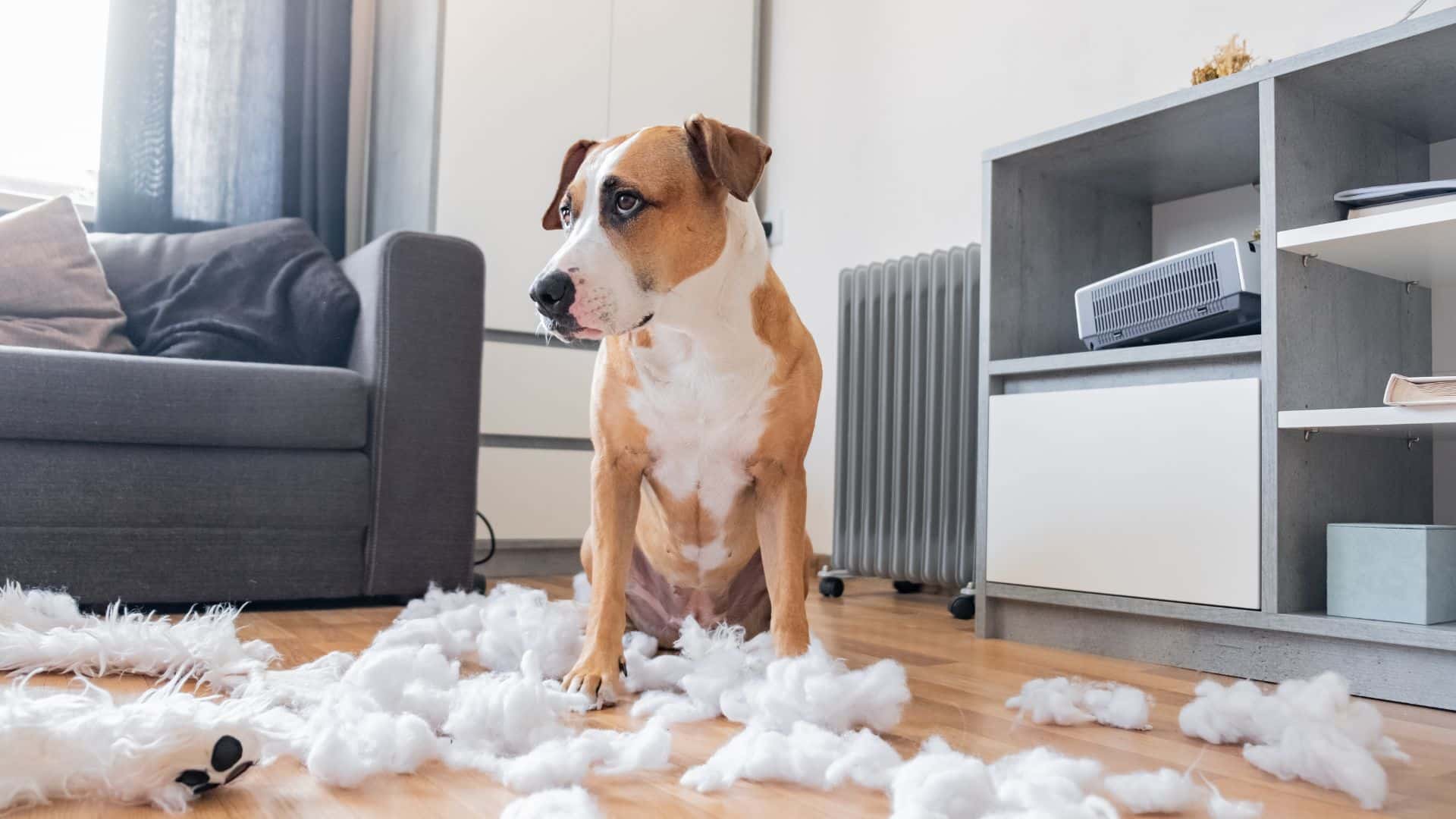
- Destructive behavior that’s causing significant damage to your home
- Aggression or excessive fear that seems to be intensifying
- Separation anxiety is so severe that your dog is injuring themselves or destroying the home
- Complete refusal to eat or drink in the new home
- Obsessive behaviors like constant pacing, circling, or self-harm
Remember that seeking professional help isn’t an admission of failure. You’re making a smart decision to invest in your dog’s well-being and your relationship with them.
Related: How to Manage Aggressive Dog Behavior Toward Family Members Inside The Home
Experiencing Dog Behavior Changes after Moving? A Well-Adjusted Pup is Just a Call Away
If you notice dog behavior changes after moving to a new home, you don’t have to navigate this challenge alone. Dog Training Laurie’s Way specializes in addressing these real-world behavioral issues. We understand that your dog is a beloved family member who’s struggling with a difficult transition, and we’re committed to helping both of you through it.
Laurie Yakish’s in-home training approach means we’ll come directly to you and work with your dog’s temperament to build a trusting, lifelong relationship between you and your dog.
Don’t let behavioral issues damage the bond you share with your dog or make you regret your move. Get in touch with Dog Training Laurie’s Way today to schedule your initial consultation. Let’s work together to help your dog feel secure, confident, and happy in your new home.
Frequently Asked Questions About Dog Behavior Changes After Moving
Why am I noticing dog behavior changes after moving to a new home?
Dogs rely heavily on routine and familiar surroundings for security. Moving disrupts their environment, exposing them to new smells, sounds, and spaces, which can cause anxiety, confusion, and behavioral changes like accidents or increased barking.
How long does it take for a dog to adjust to a new home?
Adjustment times vary by dog, but most begin to settle within a few weeks if given consistent routines and a familiar space. Persistent behavioral issues beyond this period may indicate the need for professional support.
How can professional in-home training help my dog after moving?
In-home training targets your dog’s specific challenges in their actual environment, addressing anxiety, aggression, or house-training regression effectively. Contact Dog Training Laurie’s Way to receive a personalized plan that helps your dog feel secure and confident in your new Colorado Springs home