
Why Housebreaking in Winter has its Challenges
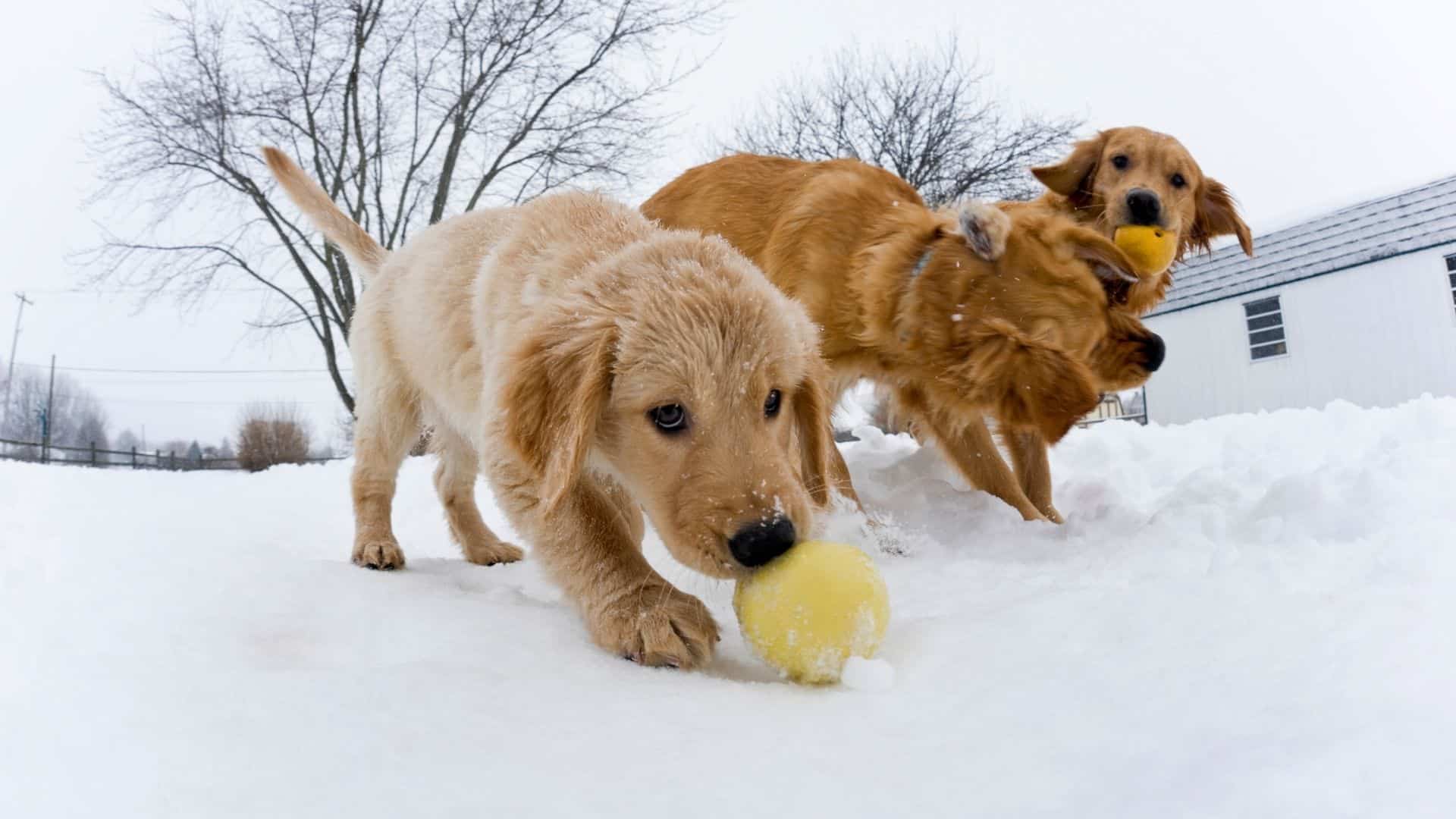
Housebreaking your puppy during the winter months comes with considerations that don’t exist during warmer seasons:
- Many puppies, especially those with short coats, experience genuine discomfort in cold weather, making them reluctant to stay outside.
- When everything is frozen solid, your puppy may have difficulty finding a comfortable spot.
- Weather conditions like snow, sleet, or freezing rain can mask the scent markers that help puppies recognize their designated potty areas.
- Shortened daylight hours of winter can disrupt your puppy’s natural rhythm and schedule.
Snow-covered yards, icy pathways, and freezing temperatures can turn simple potty training into a nightmare. To survive winter puppy training, you’re going to need patience, consistency, and likely a good sense of humor.
Creating an Effective Winter Potty Training Plan
Developing a winter puppy training plan is your key to success.
Consistency is Key
Begin by establishing a consistent schedule that accounts for the realities of winter. Your puppy needs more frequent opportunities to eliminate during housebreaking, typically after sleeping, playing, eating, and drinking. Consider scheduling shorter, more frequent outdoor trips rather than expecting your puppy to handle all business in one longer session.
Make a Path
Creating a sheltered potty area can make a tremendous difference in your puppy’s comfort level and willingness to go outdoors. Consider clearing a section of yard that receives some protection from the elements, perhaps near a fence or under an overhang. Some Colorado Springs residents have found success with creating a temporary shelter using a pop-up canopy or by shoveling a “potty path” through deep snow.
Bundle Up
Short-coated breeds or very young puppies may benefit from a sweater or coat during outdoor potty breaks. While some puppies initially resist clothing, many quickly realize it helps them stay warmer. Pay special attention to paw protection as well; the combination of ice and snow-melting salts is harsh on sensitive paw pads. Consider puppy booties for protection, or wipe paws thoroughly after each trip outside to prevent ice melt from being ingested.
Give Praise
Positive reinforcement is super important during winter puppy training. Your puppy needs extra motivation to brave the cold for potty breaks, so be generous with praise and treats when they go potty outdoors. Keep outdoor sessions focused and businesslike; this isn’t the time for extended play. Once your puppy is done, return indoors promptly and praise them for a job well done.
Read Also: Hacks to Make Housebreaking Your Dog Easier
Common Winter Puppy Housebreaking Mistakes to Avoid
Many well-intentioned puppy parents inadvertently make some of these housebreaking mistakes:
Inconsistency
Inconsistency ranks among the most problematic mistakes. Maintaining consistent expectations and responses to your puppy’s behavior provides the clear guidance they need to learn.
No Supervision
Another frequent mistake is inadequate supervision during the winter months. The cold weather might tempt you to let your puppy roam the house while you stay cozy by the fire, but reduced vigilance often leads to undetected accidents. If you cannot actively watch your puppy, utilize appropriate confinement in a crate or puppy-proofed area to prevent accidents and maintain consistent training progress.
Missing Signals
Misinterpreting your puppy’s signals constitutes a fourth common error. Your puppy may develop more subtle indoor signals during winter; perhaps standing near the door rather than scratching at it, or giving you a particular look instead of their usual more active communication. Becoming fluent in your puppy’s body language can prevent accidents and strengthen your bond.
What Makes Our Winter Puppy Training Approach Different
At Dog Training Laurie’s Way, we understand that winter puppy training requires a personalized approach. Unlike standardized training programs offered by big-box stores or national franchises, we come directly to your home to assess you and your dog to create a customized training solution.
Our in-home training approach offers distinct advantages during the winter months. Your puppy learns in the exact environment where they need to succeed, eliminating the confusion that often arises when training takes place elsewhere. We’ll help you establish effective routines that work with your specific property, schedule, and the weather in your neighborhood.
Relationship-centered philosophy is at the core of our training process, and we recognize that successful housebreaking depends on strong communication and trust between you and your puppy. Rather than focusing solely on eliminating accidents, we help you understand your puppy and strengthen your bond.
Our training methods emphasize practical solutions that fit seamlessly into your daily life. We work alongside you to implement them in real time, in your home, adjusting as needed until we find what truly works for you. Our approach ensures you gain both the knowledge and the confidence to accelerate your puppy’s progress, even during the challenging winter months.
Ready to Transform Winter Puppy Training from Frustration to Success?
Winter puppy training in Colorado Springs doesn’t have to be an ordeal of frozen fingers and middle-of-the-night accidents. At Dog Training Laurie’s Way, we provide the personalized support, practical strategies, and encouragement you need to navigate housebreaking despite the weather. Our in-home training approach addresses the specific challenges of your living situation, creating customized solutions tailored to you and your puppy.
Don’t struggle through another day of inconsistent results and growing frustration. Contact us today to schedule your training consultation. We’ll discuss your puppy’s problems and develop a tailored plan to build a stronger relationship with your puppy. Our availability Tuesday through Saturday from 11 AM to 8 PM accommodates most schedules, allowing us to provide support when you need it most.
Frequently Asked Questions: Winter Puppy Training
How do I housebreak my puppy in winter when it's too cold to stay outside?
For winter puppy training, use shorter, more frequent potty breaks rather than extended outdoor sessions. Create a sheltered potty area with protection from wind and snow, and always reward your puppy immediately after successful elimination outdoors. Consider using a puppy sweater or coat to increase comfort during necessary outdoor training sessions.
What indoor potty training options work best during Colorado winters?
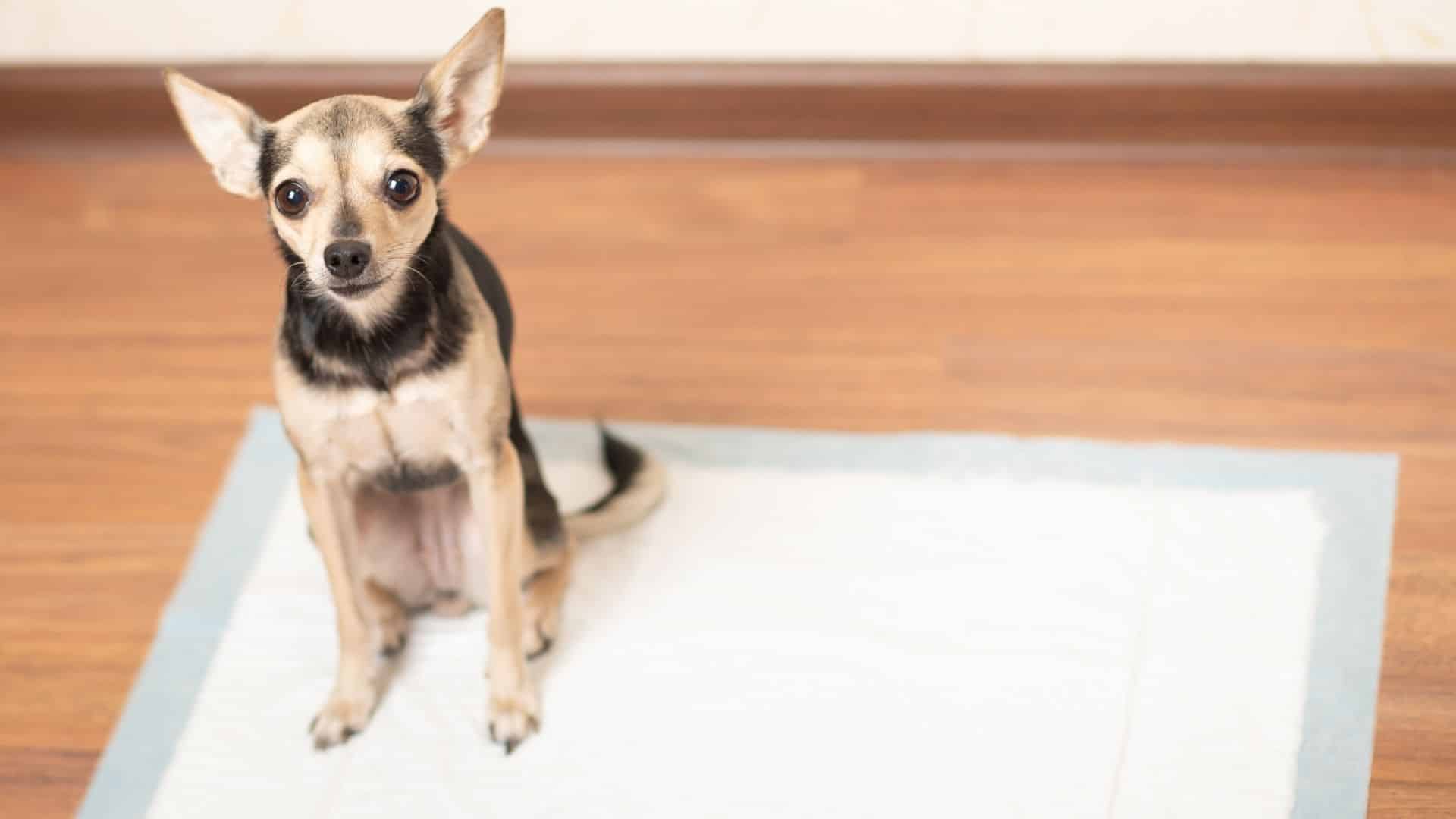
Puppy pads placed consistently in a designated area can serve as a temporary solution during extreme weather conditions. Artificial grass potty systems offer a more natural sensory experience that transitions better to outdoor elimination when weather improves. For a more comprehensive solution, contact Dog Training Laurie’s Way for personalized in-home training that addresses your specific winter puppy training challenges and living situation.
Why does my puppy refuse to relieve themself outdoors during winter?
Your puppy’s reluctance stems from genuine discomfort with freezing temperatures, icy surfaces, and potentially painful paw conditions. The sensory experience of frozen or snow-covered ground differs dramatically from warmer conditions, confusing your puppy about appropriate potty locations. Many puppies also become disoriented when snow covers familiar scent markers they use to identify their designated potty areas.